


7 Things to Know About Professional Eye Exam Services in 2026

Last Updated: October 28, 2026
Quick Summary
A professional eye exam is a structured clinical assessment of your vision and eye health performed by a licensed optometrist or ophthalmologist. In 2026, it still matters because screens dominate the workday and online shortcuts cannot check whether something deeper is going on. A vision screening only checks how well you see, while a comprehensive eye exam checks why.
- Pre-testing typically takes 10-15 minutes and includes an autorefractor reading, acuity test, and eye pressure check.
- Adults aged 18 to 39 should get an eye exam every 2 years, or annually if risk factors are present.
- Anyone 65 and older should be examined annually because age-related eye disease risk is highest in this group.
- Diabetes, family history of glaucoma, and high myopia are risk factors that shorten the exam interval to annual.
- Ask for the all-in price with dilation and which tests are billed separately before you book.
Table of Contents
- Why Professional Eye Exam Services Still Matter in 2026
- What to Expect During an Eye Exam: A Step-by-Step Walkthrough
- Eye Exam Duration: How Long Each Stage Actually Takes
- How Often to Get an Eye Exam by Age and Risk Level
- Digital Eye Strain Eye Exam: When Screen Fatigue Warrants a Visit
- How to Choose Between an Optometrist and an Ophthalmologist
- Eye Exam Costs, Insurance, and What You Will Pay Out of Pocket
- Book Your Comprehensive Eye Exam at The Optical Shop of Manhasset
- Frequently Asked Questions
Why Professional Eye Exam Services Still Matter in 2026
A professional eye exam is a structured clinical assessment of your vision and eye health, performed by a licensed optometrist or ophthalmologist. In 2026, that matters more than ever. Screens dominate the workday, telehealth tools promise convenience, and online eyewear retailers sell glasses without anyone ever looking at your eyes.
Here's the problem with that shortcut. A vision screening, the kind you get at a kiosk or a driver's license office, checks how well you see. A comprehensive eye exam checks why, and whether something deeper is going on.
Below, we'll walk through what professional eye exam services in 2026 actually include, how often you should schedule one, and what you'll pay. The American Optometric Association's guidance on comprehensive exams is a useful starting reference for what a full evaluation should cover.
What to Expect During an Eye Exam: A Step-by-Step Walkthrough
Most people arrive unsure of what happens next.
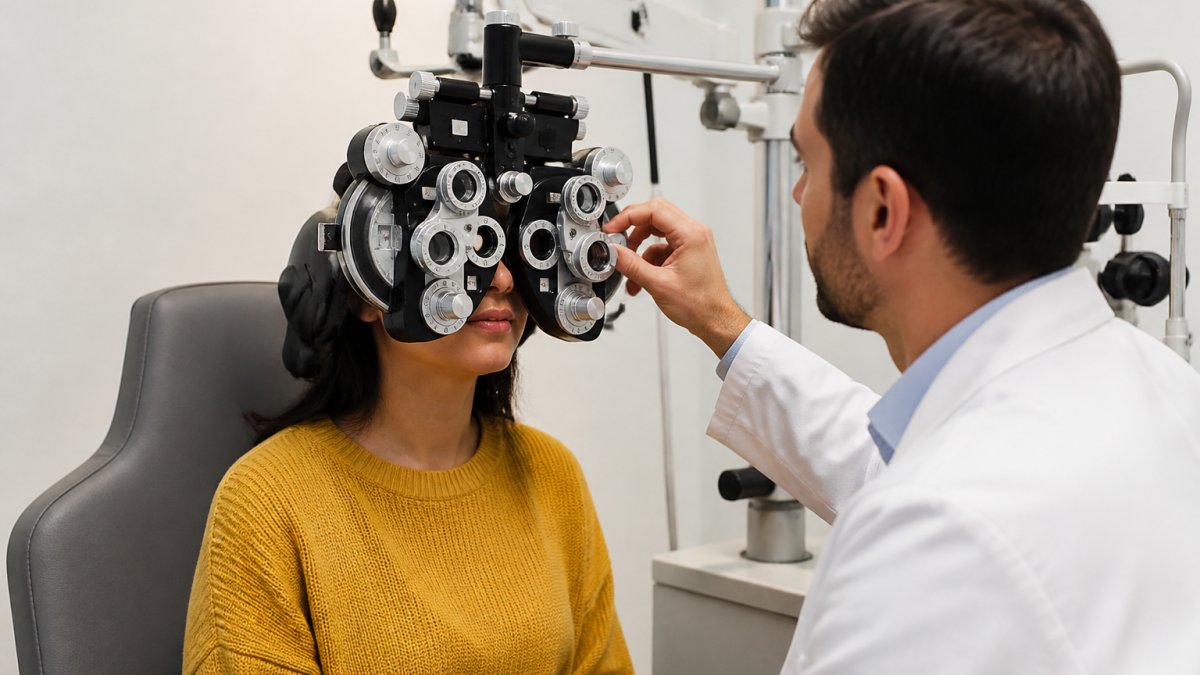
The Pre-Test Phase
Pre-testing gathers baseline data before the doctor sees you. An optometric technician typically handles this part. Expect an autorefractor reading to estimate your prescription, a visual acuity test on the eye chart, and possibly a puff of air or a handheld device to check eye pressure. Bring your current glasses or contact lenses, a list of medications, and your insurance card. If you wear contacts, ask whether to leave them out beforehand; many practices prefer it.
The Core Examination
Your eye doctor takes over here. Retinoscopy and refraction fine-tune your prescription. Slit-lamp examination looks at the front of the eye, and a dilated fundus check examines the retina and optic nerve. Dilation drops blur your near vision for a few hours, so plan a ride if you're unsure about driving. This is also where dry eye evaluation, glaucoma screening, and a contact lens evaluation happen if needed.
Eye Exam Duration: How Long Each Stage Actually Takes
| Stage | Typical Time | What Happens |
|---|---|---|
| Check-in and history | 5-10 minutes | Insurance, symptoms, medication review |
| Pre-testing | 10-15 minutes | Autorefractor, acuity, eye pressure |
| Core examination | 15-25 minutes | Refraction, slit lamp, dilation |
| Consultation and eyewear | 10-15 minutes | Results, prescription, frame selection |
How Often to Get an Eye Exam by Age and Risk Level
"How often should I get an eye exam?" is the most common question at the front desk, and the honest answer is that the schedule depends on three variables: age, risk factors, and whether you wear a correction. The intervals below reflect common clinical practice and the guidance published by the American Optometric Association and the National Eye Institute. Your own doctor may adjust them based on what they find.
A Practical Schedule by Age
| Age group | Typical interval | Notes |
|---|---|---|
| Birth to 2 years | As directed by a pediatrician; a baseline exam if any concern | Pediatric vision screening happens at well-child visits |
| 3 to 5 years | At least once before starting school | Catches amblyopia and strabismus while treatment is most effective |
| 6 to 17 years | Annually, or as advised | Screenings at school are not a substitute for a comprehensive exam |
| 18 to 39 years | Every 2 years for most adults; annually if risk factors are present | Risk factors below |
| 40 to 54 years | Every 2 years; annually if risk factors are present | Near vision changes and early glaucoma risk both climb in this decade |
| 55 to 64 years | Every 1 to 2 years | Annual exams are common once a condition is diagnosed |
| 65 years and older | Annually | Age-related eye disease risk is highest in this group |
Risk Factors That Shorten the Interval
If any of the following apply, annual exams are the common recommendation regardless of age:
- Diabetes, diabetic retinopathy can progress without symptoms, and annual dilated exams are standard.
- Family history of glaucoma, first-degree relatives of glaucoma patients are at elevated risk.
- High myopia, higher risk of retinal detachment and other retinal problems.
- Contact lens wear, an annual contact lens evaluation is standard to check fit, corneal health, and prescription.
- Certain medications, long-term use of some drugs, including certain steroids and hydroxychloroquine, requires periodic retinal monitoring.
- Prior eye injury or eye surgery, follow-up intervals are set by the treating doctor.
- Symptoms, flashes, floaters, sudden vision change, eye pain, or persistent redness warrant a visit now, not at the next scheduled interval.
Why the Interval Matters More in 2026
If you experience a sudden onset of flashes, a curtain-like shadow over your vision, or a sudden loss of vision, do not wait for your next scheduled exam. Seek urgent eye care immediately.
Contact Lens Wearers: Add a Yearly Evaluation
Use the table above as a starting point, then adjust for risk factors. If you are unsure which interval applies to you, the safest move is to book one exam and let your doctor set the schedule based on what they find.
Digital Eye Strain Eye Exam: When Screen Fatigue Warrants a Visit
The telltale signs of screen fatigue can include headaches by mid-afternoon, dry or gritty eyes, blurred distance vision after hours at a monitor, and a nagging feeling that you're squinting more than you used to.
If you want to try reducing strain at home first, our guide on the best ways to reduce digital eye strain covers practical adjustments. If you're weighing whether specialty lenses are worth it, our blue light glasses comparison lays out the current options. Neither replaces an exam, but both help you ask better questions when you come in.
How to Choose Between an Optometrist and an Ophthalmologist
Whoever you choose, verify credentials before booking. Check the state licensing board, confirm the practice accepts your insurance, and ask whether the doctor is part of your vision plan's network. A short phone call saves a wasted visit.
Eye Exam Costs, Insurance, and What You Will Pay Out of Pocket
Cost is the question most patients ask last and worry about most. The honest answer is that a professional eye exam in 2026 is priced in layers, and understanding those layers is the difference between a predictable bill and a surprise at checkout. No single national price exists, but the structure of the charges is consistent enough to plan around.
The Three Cost Layers
When you schedule, ask two questions: "What is the all-in price for a comprehensive exam with dilation?" and "Which tests are included versus billed separately?" Those two answers let you compare practices on equal footing.
How Insurance Typically Covers an Eye Exam
Vision coverage and medical coverage are different products, and the same visit can touch both.
- Vision plans (standalone or embedded in a benefits package) usually cover a routine comprehensive exam at a fixed copay, then apply a frame and lens allowance toward eyewear. Contact lens fittings are often covered separately with their own allowance.
- Medical insurance may cover an exam when there is a medical diagnosis, for example, dry eye disease, diabetic eye disease screening, or a glaucoma evaluation. In those cases the visit is billed as medical rather than routine vision, and the cost-sharing rules of your medical plan apply.
- Medicare covers glaucoma screening and diabetic eye exams for eligible beneficiaries, and covers a comprehensive exam when a medical condition is present. Routine vision for glasses is generally not covered under original Medicare.
A common pattern is that patients with both vision and medical coverage get the routine exam billed to vision and any diagnostic testing billed to medical. Confirm with the front desk which payer they will use before the visit, because the same test can be routed either way depending on the diagnosis documented.
What to Confirm Before You Arrive
You do not need a national price list to budget for an eye exam. You need the base exam fee, the add-on list, and a written confirmation of which payer covers which line item. Ask for all three when you book.
Book Your Comprehensive Eye Exam at The Optical Shop of Manhasset
We pair comprehensive eye care with an on-site optical laboratory, where we craft prescription lenses. Our curated collection of independent designer frames offers distinctive styles, and we provide eyewear repair services.
If you've been putting off your exam, this is the moment to change that. Get started with The Optical Shop of Manhasset for comprehensive eye care and eyewear services in one location.
Frequently Asked Questions
What happens during a professional eye exam?
A comprehensive eye exam typically includes a pre-test phase with autorefraction and visual acuity checks, followed by a refraction to determine your prescription. The doctor then evaluates eye health using a slit lamp and may dilate your pupils to examine the retina. Additional tests for glaucoma or dry eye may be added based on your symptoms and risk factors. The full process usually takes 30 to 60 minutes, and your eye doctor will discuss results and next steps before you leave.
How often should adults get a comprehensive eye exam?
Adults with no vision problems or risk factors typically need a comprehensive eye exam every one to two years. If you wear contact lenses or glasses, annual visits are common to keep your prescription current. Adults over 40 and anyone with diabetes, a family history of glaucoma, or prolonged screen use may need more frequent exams. Your optometrist can recommend a schedule based on your individual risk level and long-term eye health goals.
What is the difference between a vision screening and a comprehensive eye exam?
A vision screening is a quick check, often done at schools or workplaces, that identifies obvious vision problems and typically takes minutes. A comprehensive eye exam is performed by a licensed optometrist or ophthalmologist and evaluates both visual acuity and overall eye health, including the retina, optic nerve, and internal structures. Screenings can miss conditions like glaucoma or diabetic retinopathy, so a full exam remains the standard for long-term vision care.
Should I get an eye exam if I spend most of the day looking at screens?
Prolonged screen time can be associated with symptoms like dry eyes, blurred vision, headaches, and fatigue by mid-afternoon. The Optical Shop of Manhasset provides eye examinations and prescription lenses. Consult a qualified eye care professional about screen-related discomfort.

Leave a comment